
Ben Nevis Visitor Guide: Everything You Need to Know About Ben Nevis

Updated: Feb 21
Ben Nevis stands as the highest mountain in the British Isles, attracting thousands of visitors every year. Whether you are an experienced climber or a casual hiker, this majestic peak offers a unique experience filled with stunning views, rich history, and challenging terrain. This guide will provide you with all the essential information to plan your visit, stay safe, and make the most of your adventure.
Planning Your Trip: Ben Nevis Visitor Guide Essentials
Before setting off to conquer Ben Nevis, preparation is key. The mountain reaches 1,345 metres (4,413 feet) above sea level, and weather conditions can change rapidly. Here are some practical tips to help you get ready:
Best Time to Visit: The most popular months are from late spring to early autumn (May to September). During this period, the weather is generally more stable, and daylight hours are longer.
Weather Considerations: Always check the weather forecast before your hike. Conditions can shift quickly, with fog, rain, and strong winds common even in summer.
Clothing and Gear: Wear sturdy hiking boots with good ankle support. Dress in layers to adapt to temperature changes. Carry waterproof clothing, a map, compass, and a fully charged mobile phone.
Fitness Level: The hike is physically demanding, with steep ascents and rocky paths. Ensure you are in good health and have some hiking experience.
Permits and Fees: There are no permits required to climb Ben Nevis, but parking fees apply at the visitor centre car parks.
By preparing well, you can enjoy a safe and rewarding climb to the summit.

Routes and Hiking Tips for Ben Nevis Visitor Guide
There are several routes to the summit, each offering different challenges and scenery. The most popular and accessible is the Mountain Track, also known as the Pony Track or Tourist Route.
Mountain Track (Pony Track)
Distance: Approximately 10.5 miles (17 km) round trip.
Duration: 7-9 hours depending on fitness and weather.
Difficulty: Moderate to hard.
Description: This well-maintained path starts at the Glen Nevis Visitor Centre and gradually ascends to the summit. It is the safest and most straightforward route, suitable for most hikers with reasonable fitness.
Carn Mor Dearg Arete
Distance: Around 12 miles (19 km) round trip.
Duration: 8-10 hours.
Difficulty: Hard, requires scrambling skills.
Description: This route is for experienced climbers seeking a more adventurous challenge. It follows a narrow ridge with spectacular views but demands good navigation and climbing ability.
Other Routes
North Face Route: For winter climbers and mountaineers, this is a technical climb requiring ice axes and crampons.
Steall Falls Path: A scenic approach that can be combined with the Mountain Track for a longer hike.
Hiking Tips
Start early to allow plenty of daylight.
Carry enough water and snacks.
Inform someone about your plans and expected return time.
Use a map and compass; GPS devices can fail in remote areas.
Take regular breaks and pace yourself.
Flora, Fauna, and Natural Beauty of Ben Nevis
Ben Nevis is not just a mountain; it is a natural habitat rich in biodiversity. The area around the mountain is part of the Lochaber Geopark and offers a variety of wildlife and plant species.
Wildlife
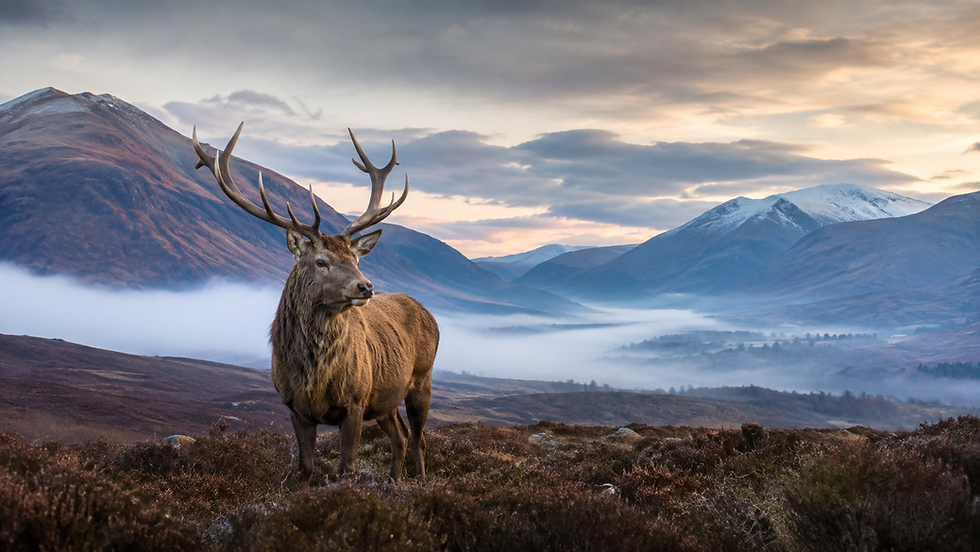
Red Deer: Often spotted in the lower glens.
Golden Eagles: These majestic birds soar high above the mountain.
Ptarmigan: A bird adapted to cold environments, found near the summit.
Mountain Hares: Change colour with the seasons, blending into the landscape.
Flora
Alpine Plants: Such as moss campion and mountain avens thrive in the harsh summit environment.
Heather and Bilberry: Cover the lower slopes, especially in late summer.
Ancient Woodlands: Surround the base of the mountain, home to diverse plant life.
Exploring the natural beauty of Ben Nevis adds an enriching dimension to your visit. Remember to respect the environment by sticking to paths and not disturbing wildlife.

Safety and Emergency Advice for Your Ben Nevis Adventure
Climbing Ben Nevis can be rewarding but also risky if not approached with caution. Here are essential safety tips:
Weather Awareness: Mountain weather is unpredictable. If conditions worsen, consider turning back.
Navigation Skills: Fog and mist can reduce visibility. Know how to use a map and compass.
Emergency Contacts: The local mountain rescue team is highly skilled. Save their number on your phone.
First Aid Kit: Carry basic supplies for minor injuries.
Group Travel: Hiking with others is safer than going alone.
Avoid Night Hiking: Unless you are experienced and well-equipped, avoid climbing in the dark.
If you encounter an emergency, stay calm, find shelter if possible, and call for help. Preparation and caution are your best tools for a safe experience.
Cultural and Historical Significance of Ben Nevis
Ben Nevis has a rich history that adds to its allure. The mountain has been a site of scientific study, mountaineering milestones, and local folklore.
Early Surveys: In the 19th century, Ben Nevis was the site of the first accurate height measurement of a British mountain.
Observatory: From 1883 to 1904, a meteorological observatory operated on the summit, collecting valuable weather data.
Mountaineering History: The mountain has been a training ground for climbers and a venue for winter sports.
Local Legends: Stories of giants and mythical creatures are part of the mountain’s folklore.
Understanding this background enriches your visit and connects you to the mountain’s enduring legacy.
Making the Most of Your Visit to Ben Nevis
To fully enjoy your trip, consider these additional tips:
Guided Tours: If you are new to mountain hiking, consider hiring a local guide.
Photography: Early morning and late afternoon provide the best light for capturing the mountain’s beauty.
Nearby Attractions: Explore Glen Nevis, Steall Waterfall, and the West Highland Museum.
Respect the Environment: Follow the Leave No Trace principles to preserve the mountain for future visitors.
For more detailed planning, you can find comprehensive ben nevis information online to help tailor your visit.
Embarking on a journey to Ben Nevis is an unforgettable experience. With the right preparation and respect for nature, you will create memories that last a lifetime.



Comments